





Published on 13 March 2026
In a context of tight housing availability in Lausanne, this project examines how short-term rental platforms – such as Airbnb – affect the permanent housing stock. The team will quantify the number of dwellings diverted from the traditional rental market, analyse the types of properties involved, and profile the hosts. The project also develops data tools (scraping methods, geospatial analyses, consolidated databases) that the City can directly use to inform housing and regulatory policies. The overall aim is to generate robust evidence to support municipal action to preserve residential housing.
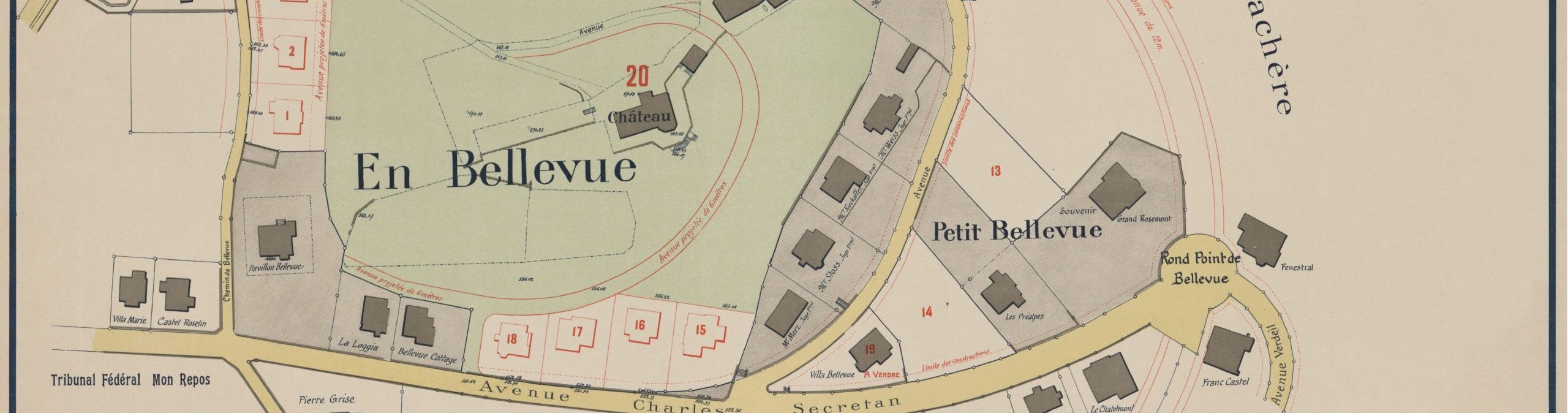
Building on interdisciplinary teaching and research, this project investigates the residential geography of Lausanne’s wealthiest taxpayers between 1867 and 1955. Using historical fiscal data and archival maps, the team will develop interactive cartographies highlighting the city’s former « upscale districts ». In collaboration with the City’s Cadastre Service, the project will produce a prototype GIS platform that integrates textual, visual, and spatial data, contributing to digital humanities approaches and offering new perspectives on urban inequality.
As the City prepares a new digital transformation strategy, this project responds to a key challenge shared by many public administrations: balancing high user expectations with limited financial and human resources. Convergence co-develops a prioritisation protocol for digital projects through a research-action approach. Based on stakeholder needs, the methodology will guide the operational rollout of the municipal strategy and remain usable by city teams beyond the project. It aims to enhance the quality of public services and reinforce the University’s role in supporting evidence-based policy and scientific advancement.
Following historical pollution linked to Lausanne’s former waste incineration plant at the Vallon site, this project assesses the potential of certain plants – especially cucurbits – to extract dioxins from contaminated soils. After reviewing existing scientific literature, the team will establish an experimental protocol and conduct a pilot test comparing plant species across soils with different levels of contamination. The results will provide the first assessment of the feasibility of phytoremediation in Lausanne and lay the groundwork for longer-term collaborations among the University, the City, and the Canton on soil quality management.
This project seeks to better understand the experiences and needs of OSAIEGCS-LGBTIQ+ people regarding physical activity and sports in Lausanne. Although the City promotes sports participation across the population, the realities faced by these groups remain under‑studied. Drawing on an online survey and focus groups, the study documents barriers, identifies welcoming environments, and proposes recommendations to strengthen the inclusiveness of municipal sports policies. The findings will support awareness-raising among practitioners and inform future action plans aligned with Lausanne’s transversal LGBTIQ+ policy.
